As a beginner photographer, it's easy to feel overwhelmed by all the different terminology thrown your way, but it's important that you understand your camera (and film if shooting analogue) in order to achieve the best photo. In this article, we will be looking at key terms and phrases used in the photography world, what they mean, and how they affect your photos.
One of the key elements you'll want to control is exposure, as this is the key to a good, controlled photo. Exposure refers to the amount of light that reaches the camera sensor or film, which determines how bright or dark an image is. Exposure is affected by 3 key elements, known as "the exposure triangle".

ISO
ISO refers to the sensors sensitivity to light.
Measured in typical values of 100-6400+.
ISO affects brightness and image noise.
In low light environments: Use a higher ISO for brighter images
In bright, sunny environments: Use a lower ISO to avoid over exposure

APERTURE
Aperture refers to the opening in the lens that controls how much light enters.
Measured in f-stops (e.g. f/1.8, f/5.6, f/11).
Aperture affects brightness and depth of field.
In low-light environments: Use a small f-number, giving you a larger opening.
In bright, sunny environments: Use a large f-number, giving you a smaller opening.

SHUTTER SPEED
Shutter speed refers to how long the sensor is exposed to light.
Measured in fractions of a second (e.g. 1/10, 1/100, 1/250).
Shutter speed affects motion blur and freezing action.
In low-light environments: Use a longer exposure, exposing light for a longer period
In bright, sunny environments: Use a shorter exposure, exposing light for a shorter period
What does ISO mean in film photography?
When shooting on film, you'll notice that each film has a fixed ISO. Typically, this would be 100, 200, 400, or 800. You should decide which film to use based on what you are shooting, as you will receive significantly different results based on the type you choose. This is even more important when using a "point-and-shoot" film camera, as both the aperture and shutter speed are fixed too, meaning you will have no control over the exposure.
So, which film should you choose, and when?

ISO 100
ISO 100 film has low light sensitivity, meaning it needs plenty of light to produce a properly exposed image.
Ideal for:
Bright sunny days
Outdoor landscapes
Beach or snow photography
Studio photography with strong lighting
We recommend:
Kodak Ektar 100
ISO 200
ISO 200 film is slightly more sensitive to light than ISO 100 and works well in moderately bright conditions.
Ideal for:
Sunny/Slightly cloudy outdoor days
Travel photography
General daytime shooting
Outdoor portraits
We recommend:
Kodak Gold 200 (for outdoors) OR Candido 200 (for indoors)
ISO 400
ISO 400 is one of the most versatile film speeds because it performs well in many lighting situations.
Ideal for:
Overcast weather
Indoor photography
Street photography
Late afternoon or early evening
We recommend:
Kodak Portra 400 (for flexibility) OR Kodak UltraMax (for affordability)
ISO 800
ISO 800 film is highly sensitive to light, making it ideal when lighting conditions are poor.
Ideal for:
Night photography
Indoor events
Concerts
Low-light street photography
We recommend:
CineStill 800
It's important to have a clear understanding of each element of the exposure triangle in order to have full control of your image brightness. The best way to understand this is to experiment and practice, and quickly this will become second nature. If you're shooting film, use our guide above to help with choosing your film.
Browse All Film:


New
Kodak Kodacolor 200 35mm Colour Film
Regular price
£83.30 ex. VAT
Sale price
Regular price


Kodak UltraMax 400 35mm Colour Film
Regular price
From £23.61 ex. VAT
Sale price
Regular price


Kodak ColorPlus 200 35mm Colour Film
Regular price
From £71.17 ex. VAT
Sale price
Regular price

New
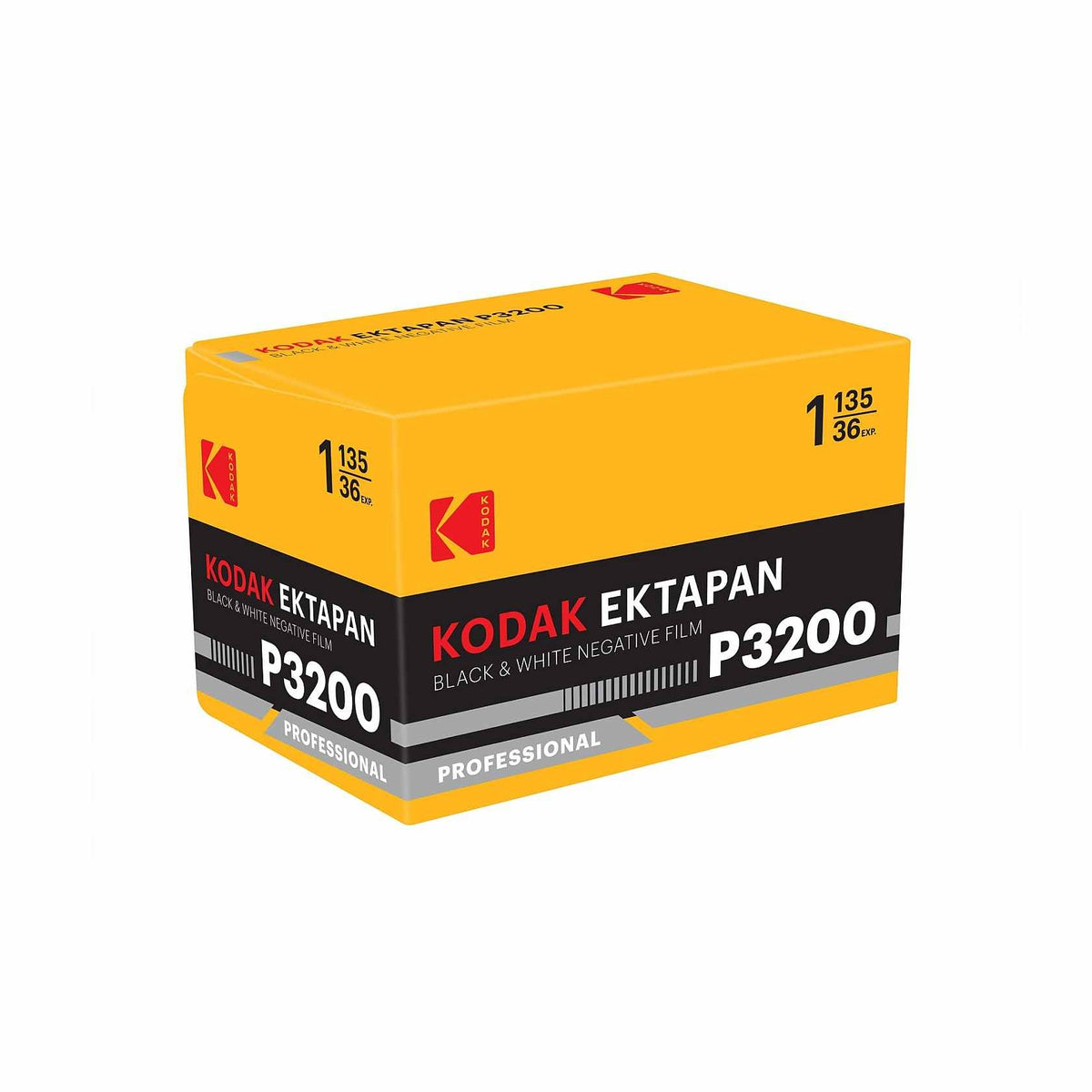
Kodak Professional Ektapan P3200 35mm Film
Regular price
£137.40 ex. VAT
Sale price
Regular price


Kodak Professional Ektapan 400 Sheet Film
Regular price
From £54.99 ex. VAT
Sale price
Regular price


New
Kodak Professional Ektapan 400 120 Film
Regular price
£40.83 ex. VAT
Sale price
Regular price


Kodak Professional Ektapan 400 35mm Film
Regular price
From £116.60 ex. VAT
Sale price
Regular price


Kodak Professional Ektapan 100 Sheet Film
Regular price
From £44.16 ex. VAT
Sale price
Regular price